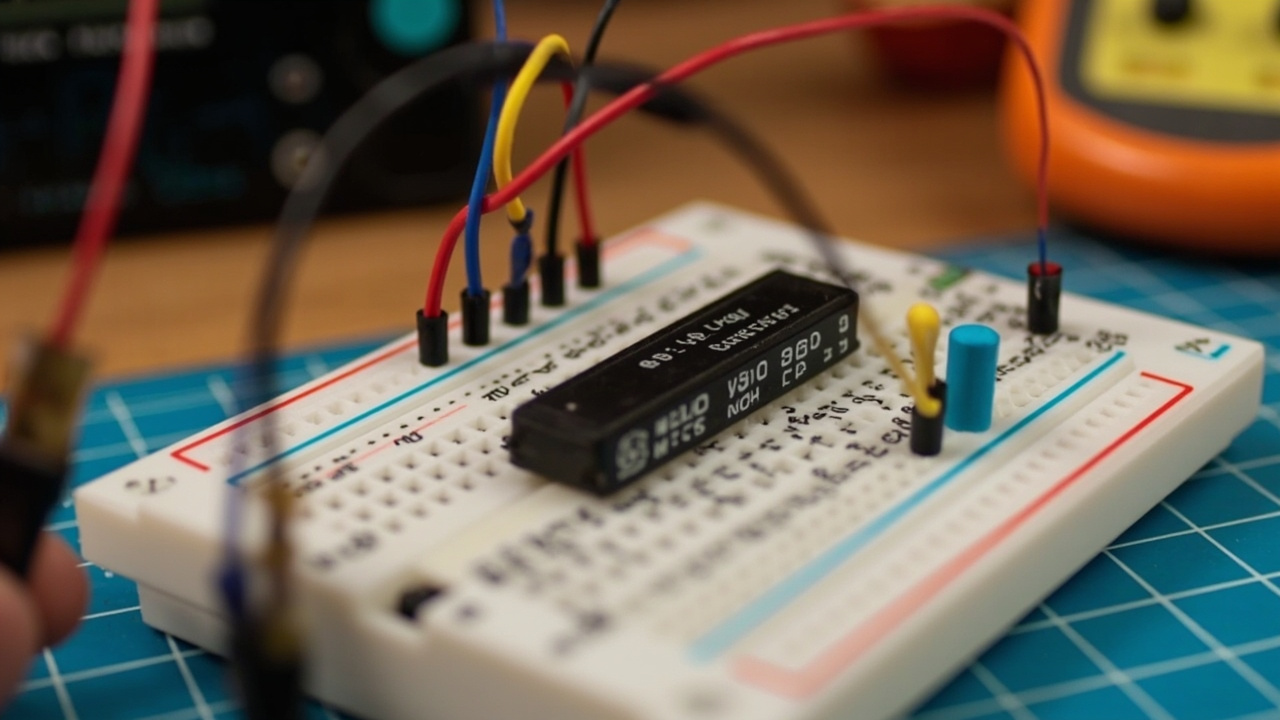
-->

Arduino & Microcontrollers Questions & Answers

BUILD LEARN SHARE

Turn β€œwhy won’t it work?” into your next working circuit.

Follow a practical learning path, search real troubleshooting answers, share your builds, and keep reliable bench references close at hand.

Subscriber workbench
33answered questions
10maker builds
12+learning resources
Pick a starting point

Choose your maker path

Focused guides connect the concepts, tools, and safety checks needed for a confident next build.

Maker challenge: Build a safer, cleaner breadboard power layout

Label the rails, add current limiting, verify polarity, then share one improvement you made.

Community knowledge bench

Find an electronics answer

Search by symptom, part, or project. Every editorial answer is visible for makers and search engines.

Arduino & MicrocontrollersTechCrate editorial answer

Arduino PWM vs True Analog Voltage Output

How does Arduino analogWrite() work, and why does my multimeter read varying DC voltages on PWM pins?
TechCrate editorial answer
Arduino microcontroller pins do not produce a true smooth analog voltage from analogWrite(). Instead, they produce Pulse Width Modulation (PWM)β€”a fast 490Hz square wave switching rapidly between 0V and 5V. By varying the Duty Cycle (the ratio of HIGH time to total period), the average power delivered changes. A multimeter averages these rapid 5V pulses, making it appear as a variable DC voltage. See the full answer β†’
Want to see the full answer with all the details?

Unlock this and 100s of resources + your personal AI circuit trainer!
Arduino & MicrocontrollersTechCrate editorial answer

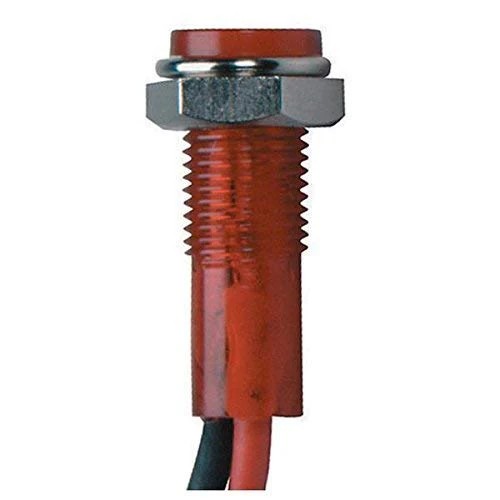
Potentiometer wired but Serial Monitor shows the value jumping around randomly

Reading a 10K potentiometer on A0 with analogRead and printing to Serial Monitor. Even when I am not touching the knob at all, the numbers jitter around by 10-20 randomly instead of staying still. Is my pot broken?
TechCrate editorial answer
Your pot is very likely fine β€” check that all three pins are connected (both outer legs to 5V and GND, wiper to A0); a floating third pin is the #1 cause of this exact jitter. Small jitter can also just be normal ADC noise, fixable with a simple averaging function in code. 1. Check the wiring first. A voltage-divider pot needs all three pins: one outer pin to 5V, the other to GND, and the middle (wiper) pin to A0. See the full answer β†’
Want to see the full answer with all the details?

Unlock this and 100s of resources + your personal AI circuit trainer!
Arduino & MicrocontrollersTechCrate editorial answer

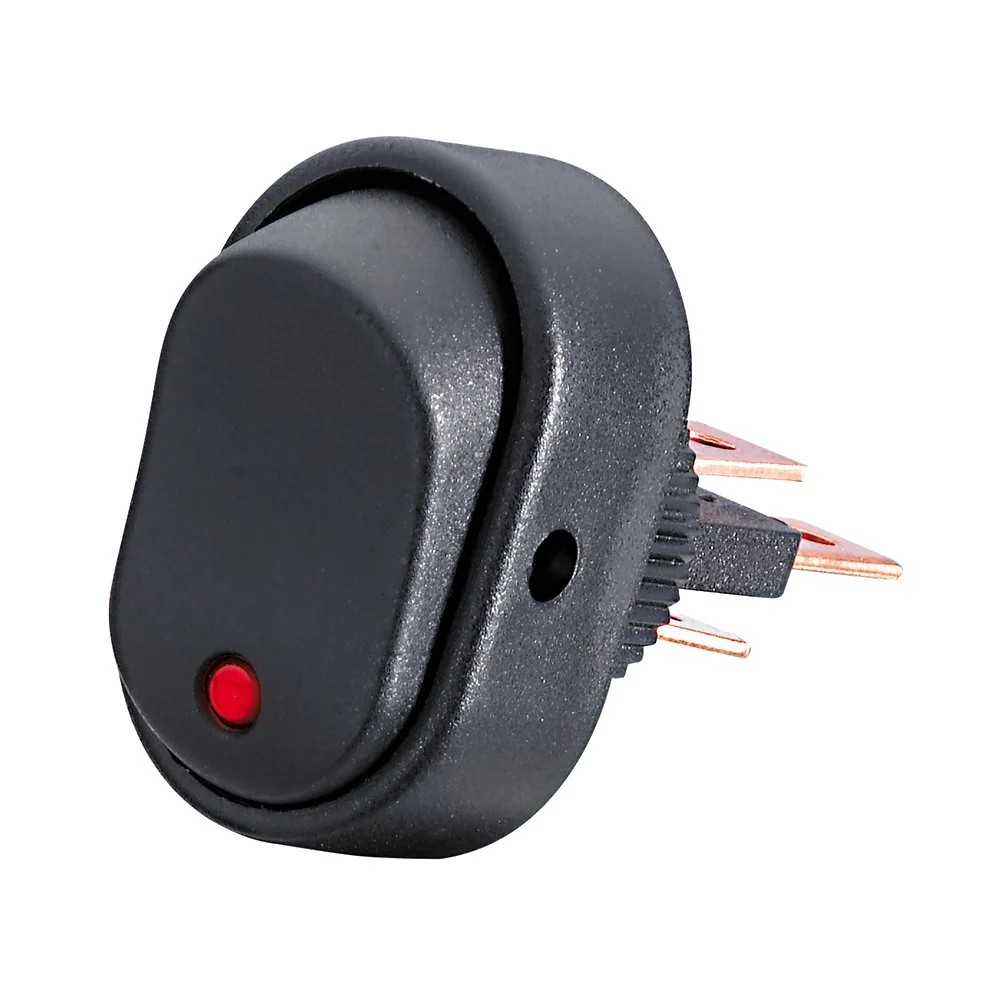
Difference between digital and analog pins on Arduino β€” still confused

I'm starting the Arduino chapters after finishing the breadboard-only experiments. The book keeps talking about digital pins vs analog pins and I get that digital is on/off, but then it says you can use PWM on some digital pins to "simulate analog" which is confusing. Can someone explain this in plain English?
TechCrate editorial answer
Digital pins are strictly ON (5V) or OFF (0V) with nothing in between, while PWM-capable digital pins (marked with a ~) fake an in-between value by switching on and off hundreds of times per second β€” the ratio of on-time to off-time is what makes an LED look dimmer or a motor look slower, even though the pin itself is never anything but fully on or fully off. Digital pins (0-13 on an Uno): two states only, HIGH or LOW. See the full answer β†’
Want to see the full answer with all the details?

Unlock this and 100s of resources + your personal AI circuit trainer!
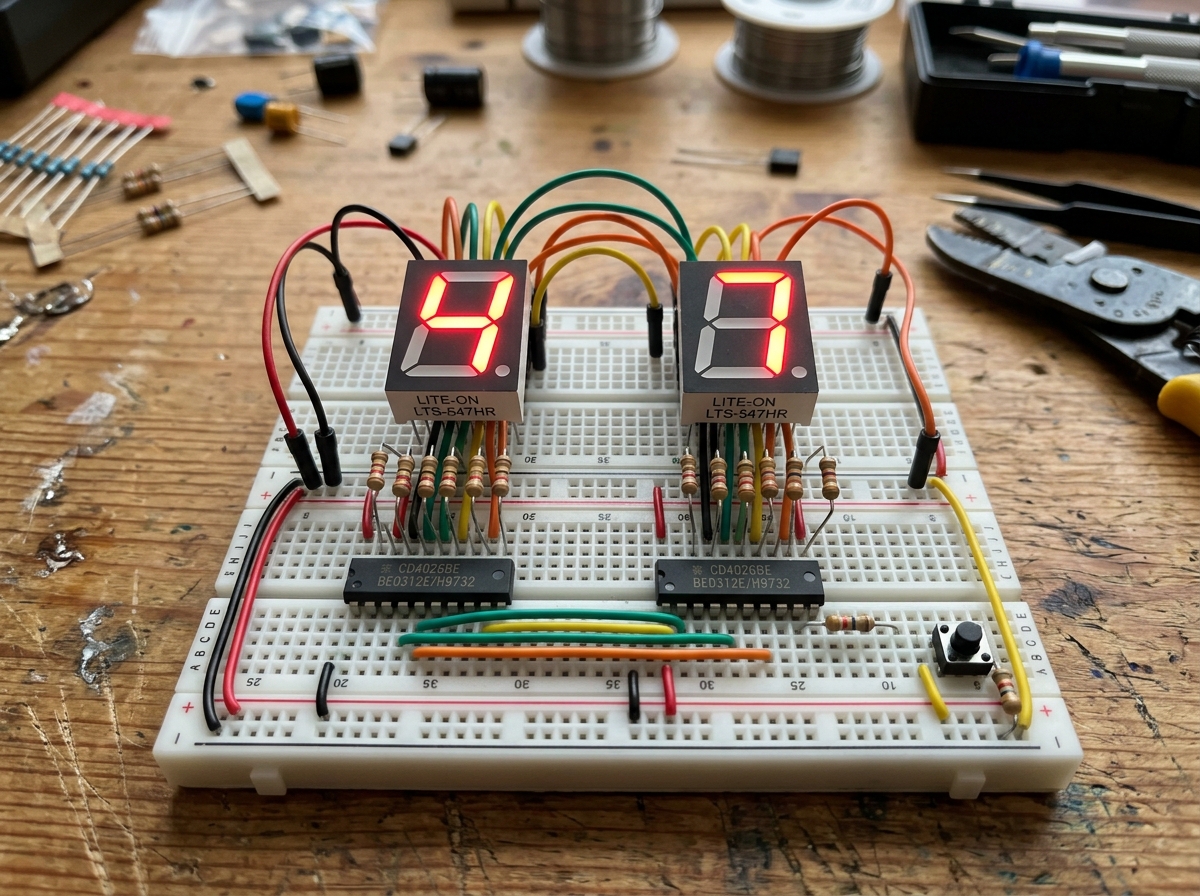
Want the full workbench?

Choose digital access or add the monthly hardware crate.

Digital VIP Β· $4.99/moCrate + VIP Β· $14.99/mo

Free Shipping

On orders over $50

Fast Shipping

Ships within 24 hours

Secure Checkout

256-bit SSL encrypted

Family Owned

Since 2013 in Pine Hill, NJ

Follow us for tutorials, product demos, and maker inspiration!
Added to Cart!