
Best Electronics Kits for Teens (2026)
The best electronics kit for a teen matches how they like to learn. Choose Make: Easy Electronics for a no-solder introduction, Make: Electronics for a book-led circuit course, a Raspberry Pi Pico kit for coding, or TechCrate for monthly projects. Start with experience and interest, then consider age.
A gift should give a teen something they want to build, with instructions they can follow. It should also make clear what you need to buy separately. A box of components can be useful, but it is a frustrating present without the right book or tools.
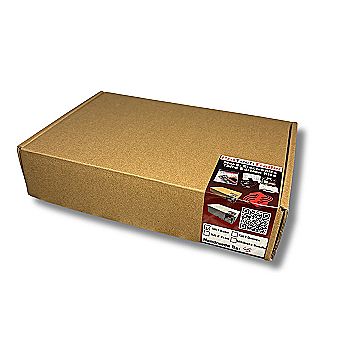
ProTechTrader is a family-owned electronics store in New Jersey, serving builders since 2013. We assemble companion component kits for Charles Platt's Make: Electronics books. These picks focus on choosing a workable starting point.
Quick picks by age and interest
These age ranges are our buying suggestions, not manufacturer age ratings. A patient beginner of 16 may prefer a simpler start than an experienced builder of 13.
- Ages 13–14, new to electronics: Make: Easy Electronics book and component bundle offers a no-solder starting path.
- Ages 15–17, likes building: Make: Electronics 3rd Edition Kit 1 Economy follows Experiments 1–11. Add the separately sold book.
- Likes coding: Raspberry Pi Pico Starter Kit for Beginners connects programming with physical hardware.
- Wants a monthly project: Consider TechCrate or TechCrate Pro. Check each subscription's current project details and terms before choosing.
Our top three picks for teens


Buying a present? The electronics gift guide sorts these and other ideas by budget.
Compare electronics kits for teens
Use this table to compare the learning paths. For a gift, check the full contents list before checkout, including any batteries, computer, tools, or reading material needed.
| Kit | Best for | Suggested age | Soldering needed? | What is included | Price |
|---|---|---|---|---|---|
| Make: Easy Electronics bundle | First electronics experience | 13–14 beginners | No | Paperback handbook and electronic components | $47.99 |
| Make: Easy Electronics Component Pack | Someone who owns the handbook | 13–17 beginners | No | Component pack; book sold separately | $33.99 |
| Make: Electronics Kit 1 Economy | Starting a structured course | 13–17, with suitable support | No. Experiments 1–11 use a solderless breadboard | Component kit for Experiments 1–11; book separate | $68.99 |
| Make: Electronics Kit 1 Deluxe | A beginner needing tools and storage | 13–17, with suitable support | No. Experiments 1–11 use a solderless breadboard | Kit 1 components, tools, and double case; book separate | $119.99 |
| Make: Electronics Kit 2 Economy | Continuing after Kit 1 | 15–17 with earlier experience | Yes. Soldering starts in experiments 12–13 | Component kit for Experiments 12–34; book separate | $99.99 |
| Make: Electronics Kit 1 & 2 Bundle | A longer learning commitment | 13–17, with suitable support | Yes, in the second half of the course | Both component kits, tools, and double case; book separate | $265.99 |
| Raspberry Pi Pico Starter Kit | Coding and hardware together | 13–17 with computer access | No. The Pico comes with headers attached | Pico, Micro-USB cable, LCD, and starter components | $25.99 |
| TechCrate | A recurring project gift | 13–17, matched to project | Check each project | Monthly electronics kit subscription | $14.99 a month |
| TechCrate Pro | Comparing monthly subscription options | 13–17, matched to project | Check each project | Pro monthly electronics subscription box | $39.99 a month |
What makes a kit right for a teenager?
Good electronic building kits for teens leave room to make decisions. After following the first instructions, the builder should have opportunities to predict, measure, and explain what happened. Rebuilding a circuit with one deliberate change can teach more than assembling another identical example.
A breadboard helps with this. It holds component leads without solder, so a circuit can be changed and reused. Working with separate components also teaches careful placement and troubleshooting.
Snap Circuits is an alternative worth considering for children under 12 who prefer snap-together construction. An older beginner may enjoy that format too. Choose by the learner's interests rather than treating one construction method as an age test.
At the other end, a dense adult course may assume too much background. Look for explanations beside the steps, readable diagrams, and a clear place to begin. If you are shopping for an older learner as well, see our best electronics kits for adults.
Start without soldering: Make: Easy Electronics
For a teen who wants to try electronics before committing to tools, Make: Easy Electronics is a practical choice. The book-and-components bundle pairs the handbook with parts. Choose the separate component pack if the reader already owns that handbook.
This is a different learning path from Make: Electronics, third edition. Match the component pack to the exact book title. The similar names can make gift shopping confusing.
A no-solder start also works when an adult cannot supervise hot tools. Set aside a clear table, read the safety directions together, and begin with one activity. There is no need to buy a soldering iron just to find out whether the interest lasts.
Choose Make: Electronics for a book-led course
Make: Electronics suits a teen who wants to understand circuits through a sequence of experiments. It asks the reader to follow directions, examine diagrams, build, and think about results. Treat it as an ongoing course rather than a single afternoon project.
The Make: Electronics third-edition book ($27.99) is sold separately from every Make: Electronics kit on this page. Include it when giving any of those kits to someone who does not already own it.
Start with Kit 1 Economy when tools are already available. Choose Kit 1 Deluxe when the included tools and case make sense. Kit 2 is the continuation, not the default choice for an older beginner. Age alone does not replace the earlier experiments.
The combined bundle suits someone ready for a longer commitment. For an uncertain first-time gift, Kit 1 and the book give the recipient a smaller starting point.
How much reading is involved?
Expect to read before and during each experiment. The book explains the setup and the ideas behind it. Rushing past those explanations makes troubleshooting harder.
For a reluctant reader, share the first session. One person can read a step while the other identifies parts, then switch roles. Stop at a useful checkpoint instead of pushing to finish a chapter.
Coding options: Pico or Arduino?
The Pico starter kit is the more direct choice here for a teen who wants a kit centered on programming hardware. Plan for access to a compatible computer and time to install the required software. A coding project involves both wiring checks and code changes.
The Arduino Uno R3 development board ($24.29) is another option, but it is a board, not a complete beginner kit. Buy it when the teen already has suitable components, instructions, and the other required supplies.
The official Arduino Starter Kit is a third-party alternative to consider for a guided Arduino introduction. Check the exact version and contents before buying. For either platform, ask whether the teen wants to spend time at a computer or would rather start by building circuits.
Monthly projects as a gift
TechCrate and TechCrate Pro offer a recurring electronics gift. That can suit a teen who enjoys having a new project to look forward to rather than choosing every next build.
Before subscribing, compare the current projects, required tools, billing schedule, and cancellation terms. Do not assume the Pro option is the right fit simply because the recipient is older. Choose the project level they can use now.
For a gift that keeps arriving, make the arrangement clear to the recipient's household. Confirm who manages the subscription and where each box should go.
Tools worth adding, without buying twice
- Beginner's Tool Kit with soldering iron and digital multimeter ($39.99): consider it when both tools are needed.
- 7-function digital multimeter ($15.99): consider a separate meter when other tools are already available.
- Make: Electronics six-piece Tool Kit ($15.99): compare its contents against the book's requirements and anything already included.
Check a Deluxe kit or combined bundle before adding tools. Avoid duplicates. A multimeter measures electrical quantities, but a beginner still needs instructions for selecting the correct setting and sockets.
Safety and supervision
Keep these projects at the low DC voltages specified by their instructions. Ordinary 9V batteries are appropriate for beginner circuits designed for them and present little shock risk through dry, intact skin. They can still cause burns or a fire if shorted.
- Keep battery terminals away from coins, keys, and loose metal. Disconnect power before changing wiring.
- Never connect a 9V battery to a board or component unless its instructions permit it.
- Use soldering irons with direct adult supervision, eye protection, ventilation, and a stable stand. The tip can cause serious burns.
- Wash hands after handling solder, especially lead-containing solder. Keep food away from the work area.
- Never work on mains wiring, wall outlets, or opened power adapters. Keep every experiment on the low-voltage side.
Which kit should you buy?
- A first gift for a 13-year-old: choose the Make: Easy Electronics book-and-components bundle for a no-solder introduction.
- A teen who likes building and explanations: choose Make: Electronics Kit 1 plus the third-edition book. Select Economy or Deluxe according to tool needs.
- A 15–17-year-old who likes coding: choose the Pico starter kit. Choose an Uno board alone only when the other supplies are covered.
- A builder continuing the book: choose Kit 2 after the earlier experiments.
- A monthly project gift: compare TechCrate and TechCrate Pro against the recipient's interests, available tools, and supervision.
Common questions
What age is suitable for an electronics kit?
Teens ages 13–17 can begin with a kit matched to their reading skills, interests, and ability to follow safety directions. Our age suggestions are buying guidance, not manufacturer age ratings.
At what age can a teen start soldering?
There is no single age that makes soldering appropriate. A responsible teen can learn with direct adult supervision, eye protection, ventilation, and a clear workspace; follow the equipment's age and safety instructions.
Do Make: Electronics kits include the book?
The Make: Electronics third-edition book is sold separately from Kit 1 Economy, Kit 1 Deluxe, Kit 2 Economy, and the combined Kit 1 and 2 bundle. The Make: Easy Electronics book-and-components bundle includes its own handbook, which is a different title.
What is a good electronics gift for a 13-, 15-, or 16-year-old?
For a new 13-year-old builder, consider Make: Easy Electronics. For a 15- or 16-year-old, choose Make: Electronics Kit 1 for circuit building or a Raspberry Pi Pico starter kit for coding; experience matters more than the birthday.
Can these kits count toward school credit or a science fair?
School credit depends on the teacher or school, so get approval before buying. For a science fair, use a circuit to investigate a question, record measurements, and follow the event's rules rather than submitting an unchanged kit build.
How much adult help will a teen need?
Plan to help with the first setup, safety directions, and power connections. Some teens can then work through low-voltage, no-solder activities independently, while soldering needs direct adult supervision.
Keep reading
- Electronics gift guide 2026, by budget
- Best electronics kits for adults and engineering students (2026)
- Electronics subscription box for kids, teens and beginners
About this guide: ProTechTrader makes and sells the companion component kits for Charles Platt's Make: books, so links to our own products are commercial. Prices and stock for our products are read from the store when this page is rebuilt each night; the product page is always the final word.